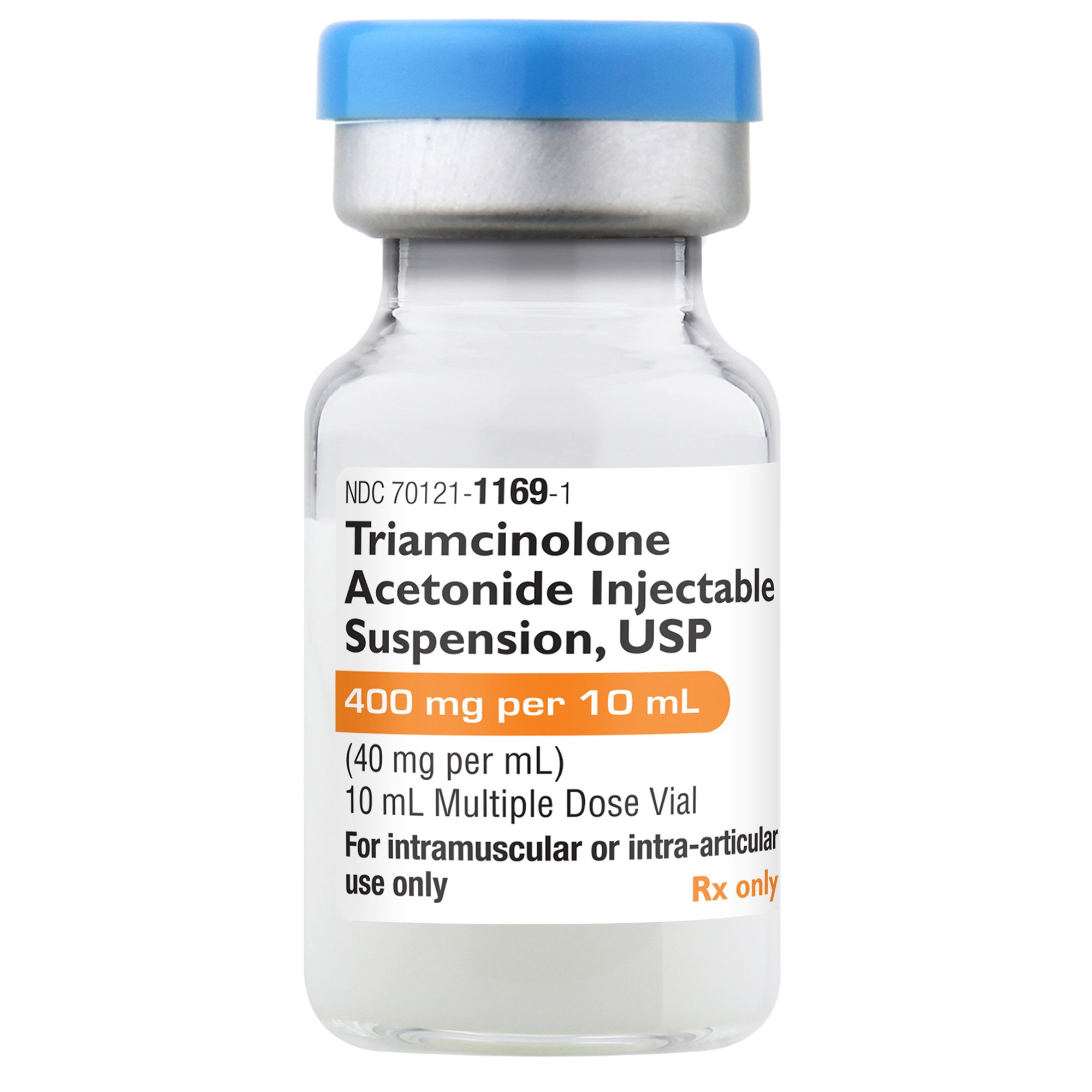
General Principles of Corticosteroid Injections
What are we trying to achieve with this injection?
Temporarily relieve pain
Aid in diagnosis
Improved participation in physical therapy
What are we trying to accomplish when we give a steroid injection?
Let's begin by discussing what corticosteroids do NOT do.
Corticosteroid injections do not repair structural damage. They do not stimulate cartilage regrowth. They do not heal torn or degenerative tendons.
They do not directly numb pain. The rapid pain relief often enjoyed after an injection is a result of the anesthetic that the corticosteroid is combined with, not the steroid agent itself.
What corticosteroids DO is reduce inflammation.
Following an injection into a joint, bursa, tendon sheath, or other target tissue, corticosteroid molecules diffuse into nearby cells and bind to intracellular glucocorticoid receptors. The steroid-receptor complex then enters the cell nucleus, where it alters gene transcription. This results in decreased production of numerous inflammatory mediators and increased production of anti-inflammatory proteins. Patients experience less pain, swelling, warmth, and stiffness.
While steroid injections are not curative and effects are only temporary, they still serve an important role in the treatment of several conditions. They provide three benefits.
First, they provide a therapeutic benefit by temporarily improving pain so the patient can function better and quality of life improves.
Second, they provide a diagnostic benefit. If pain is relieved following the injection, the pain source is confirmed to be at the site of the injection.
Third, by relieving pain, swelling, and stiffness, they facilitate improved participation in physical therapy or a home exercise program. Physical therapy is often the treatment that will benefit the patient the most in the long term, but if it is too painful, they won’t be able to do the stretches and exercises.
Key Takeaways
Injections temporarily relieve pain by reducing inflammation
Injections serve a diagnostic purpose by relieving pain at the source
Injections facilitate improved participation in physical therapy