General Principles of Corticosteroid Injections
Which anesthetic is best?
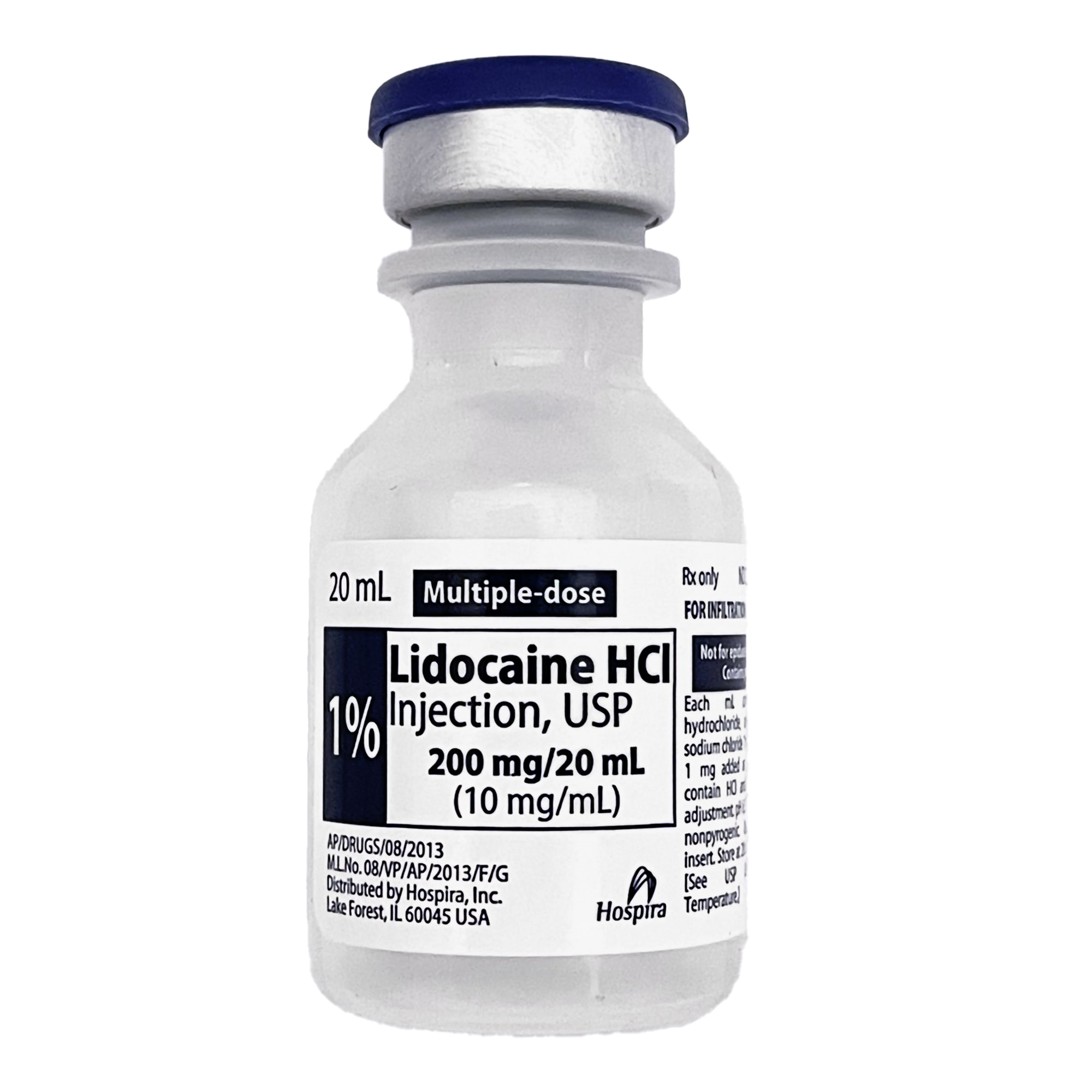
Lidocaine - most common
Bupivacaine - longest lasting
Ropivacaine - least chondrotoxic
Local anesthetics are combined with steroids because they provide more immediate pain relief. Not only is this nice for the patient, but it serves a diagnostic purpose and helps confirm accurate placement of the injection.
The selection of an anesthetic agent depends on clinician preference, availability, and cost. Let’s compare the most frequently used agents: lidocaine, bupivacaine, and ropivacaine.
Lidocaine is the most commonly used. It has the most rapid onset (1 to 5 minutes) and the lowest duration (1 to 2 hours). Most clinicians prefer the 1% concentration.
Bupivacaine, available under the brand names Marcaine and Sensorcaine, takes 2 to 10 minutes to take effect and lasts the longest (4 to 8 hours). It is considered to be the most chondrotoxic (meaning it is the most likely to cause cartilage damage with repeat injections). The 0.25% concentration is most common.
Ropivacaine has a slightly slower onset than lidocaine and a duration intermediate between lidocaine and bupivacaine. It is considered to be the least chondrotoxic but is the most expensive. The 0.5% concentration is most common.
Key Takeaways
1% lidocaine is the most commonly used anesthetic for corticosteroid injections
Bupivacaine lasts longer but may be more chondrotoxic
Ropivacaine may be less chondrotoxic but is more expensive